for
Love
the center.
Thanks for bringing me in. I’m Sam. I direct and shoot still life, and almost everything I make lives at this scale: metal, stone, glass, and the light that has to travel across all three. This is more than photographing pieces against a surface. It’s two brands that each need their own world, and I want to build those worlds out of the actual craft of jewelry-making: the way a setting holds a stone, the way polished gold behaves under a hard source.
Light and shadow, the materials we shoot on, the depth and dimension these small objects deserve on camera: every choice here is in service of building everything around the jewelry, from the center out. I look forward to getting into the details with you.
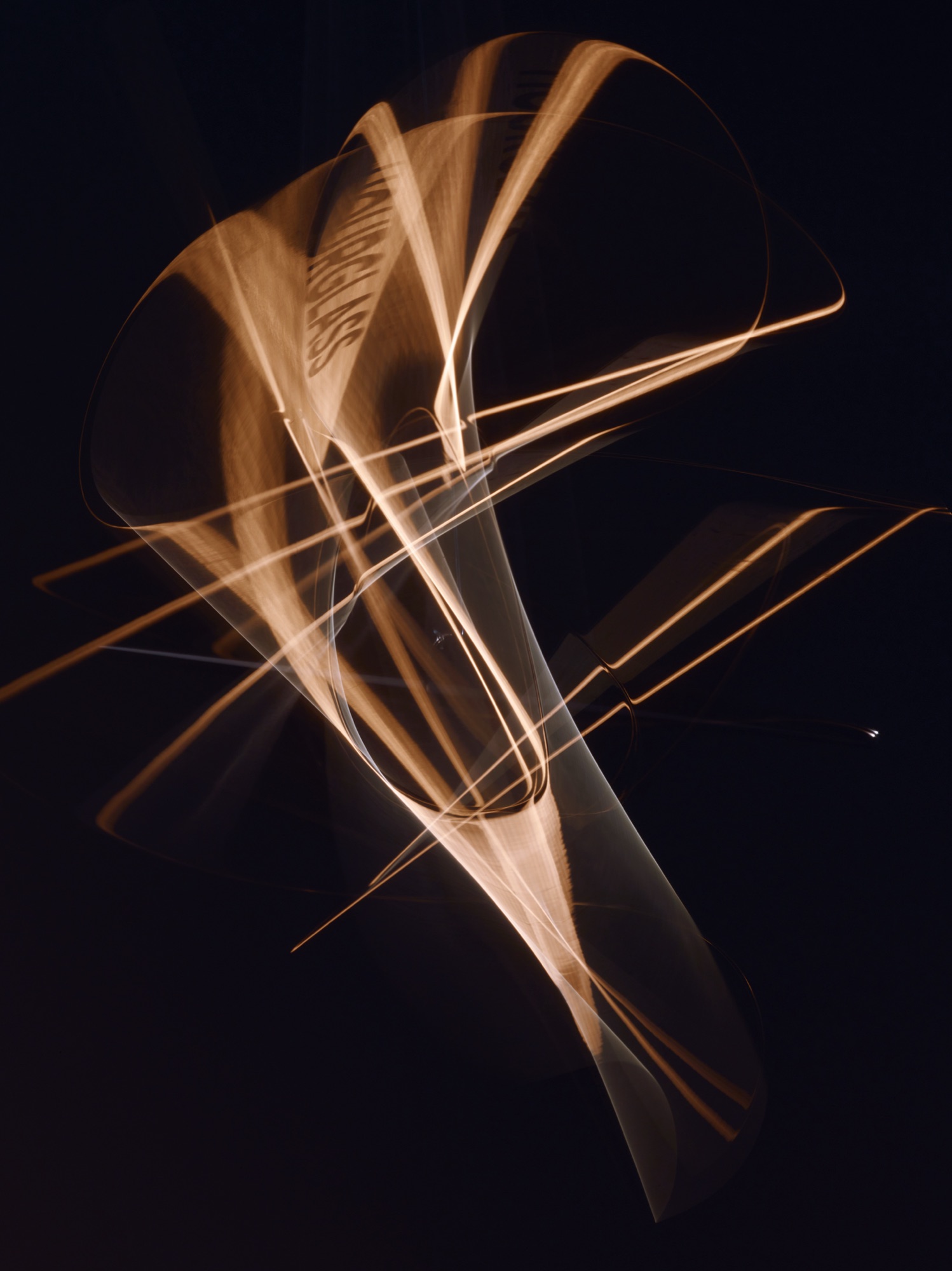
One state is free and weightless: falling and turning through darkness, still on its way somewhere. The other is held: resting, reflected, light traveling across the piece and picking out its edges.
Moving between the two is the story: suspension resolving into arrival, the same turn every piece makes on its way to rest.
told two ways.
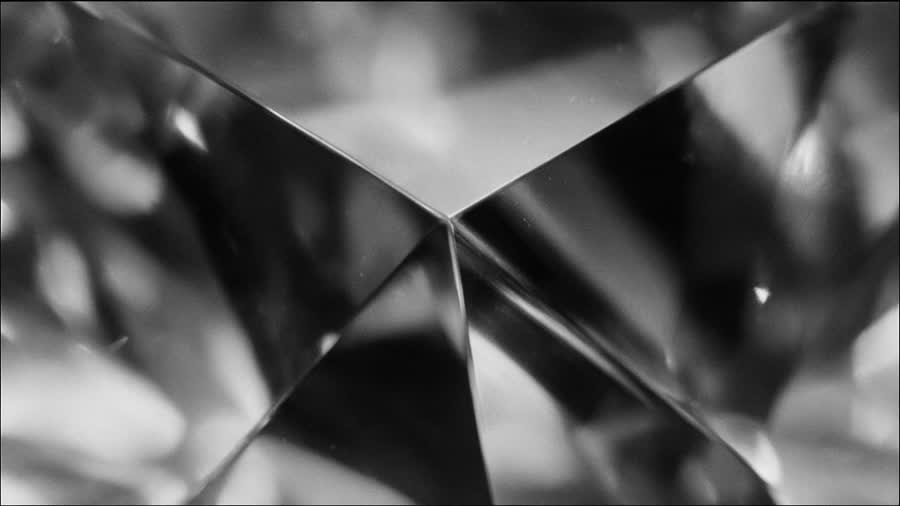
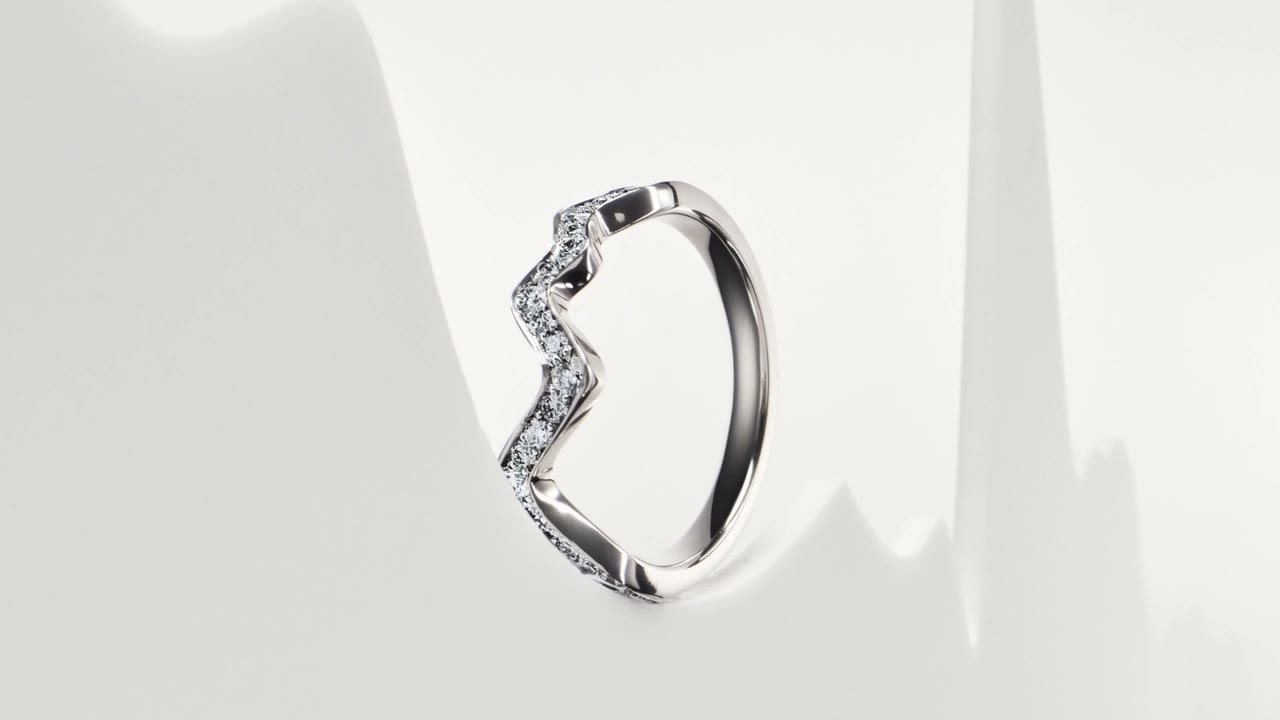
I want two readings out of the same setup: one where the stone’s shape is unmistakable enough to recognize in a store window, one that’s all light and refraction and fragments, where the piece is suggested by light alone. At true macro scale, we shoot wider than the final frame and pan across it afterward; getting a lens that close introduces reflections a straight crop avoids, so the wider capture is what gives us maximum flexibility in post.
Both are right at different points in a fifteen second film, so we build the choice into the capture. Then it gets decided in the edit, in front of us, with the footage there. How that resolves into type and supers comes later in this deck; at this stage the job is to give the edit two real reads to cut between.
One built to blend.
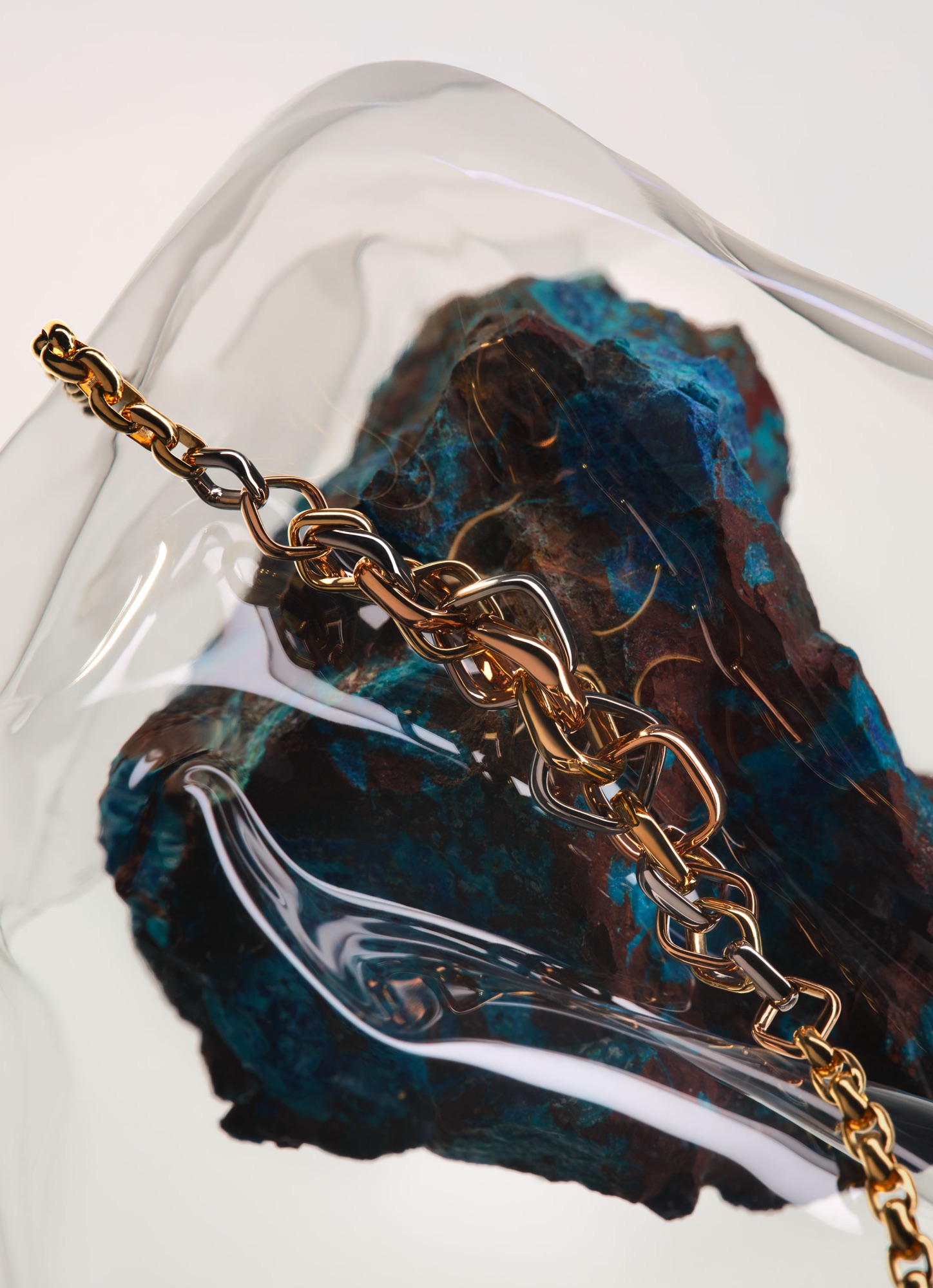
Every hero move, shot twice on the same motion control path: clean for legibility, abstract for mood. For KAY, the abstract pass works glass in front of the lens. For PEOPLES, it’s a different rig: light moving over the metal, shadow moving with it. The two cut against each other frame for frame. Bridal leans clean. Boxing Day leans abstract.
And every move is repeatable. A rotation designed for one ring runs again with a different piece, at a different speed, on a different surface. Each stone cuts light differently, so the same path gives back different footage every time. That repeatability is what lets one build carry the whole schedule.
built to repeat.
I’d bring in Kazu Okuda to shoot this. We’ve worked together for years, and his eye for precision movement, on brands like Tiffany’s, David Yurman and Apple, is exactly the register this brief needs. He runs a Bolt robotic arm, which means every path we design gets programmed once and repeated exactly, and the time that frees up goes into getting the light right.
Everything in this deck sits on the camera team: motion control, passing through pieces, moves that have to repeat to the frame across two passes and seven films. It takes a DP who thinks in paths, who knows what a move will do to a stone before it gets programmed, and who can tell you where the light has to be for it to survive. That’s what Kazu brings.
never stopping to land.
Motion control moves the camera and the piece, so the transition can come from either, repeatable to the frame. Glimmer as they fall through the frame. Camera rotates to reveal. A piece settling to rest works the same way in reverse: the surface rises to meet it as the camera moves, so the landing reads considered rather than dropped.
In practice: a bracelet sweeps across the foreground, wiping the frame clean. A ring turns toward camera and blooms out of focus as the next piece arrives sharp behind it. The abstract pass is what makes it possible: there is always a frame soft enough to cut on.
Now it gets to mean it.
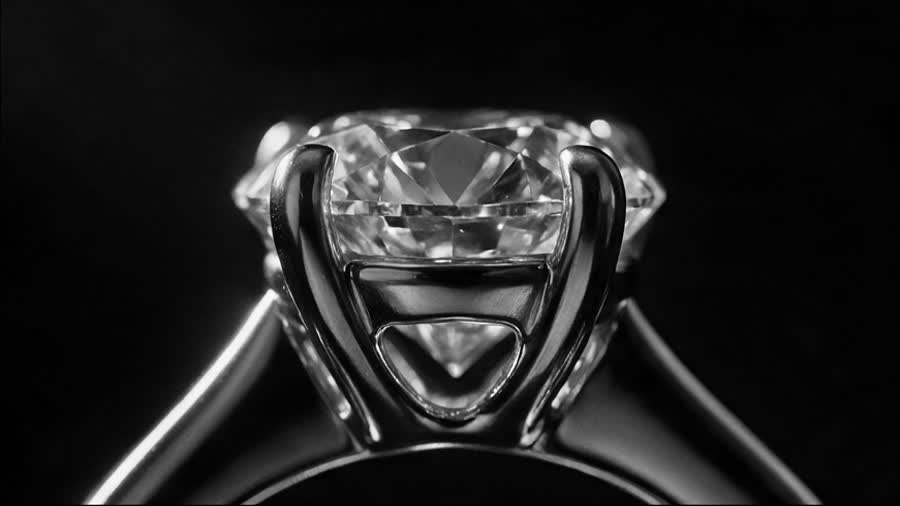
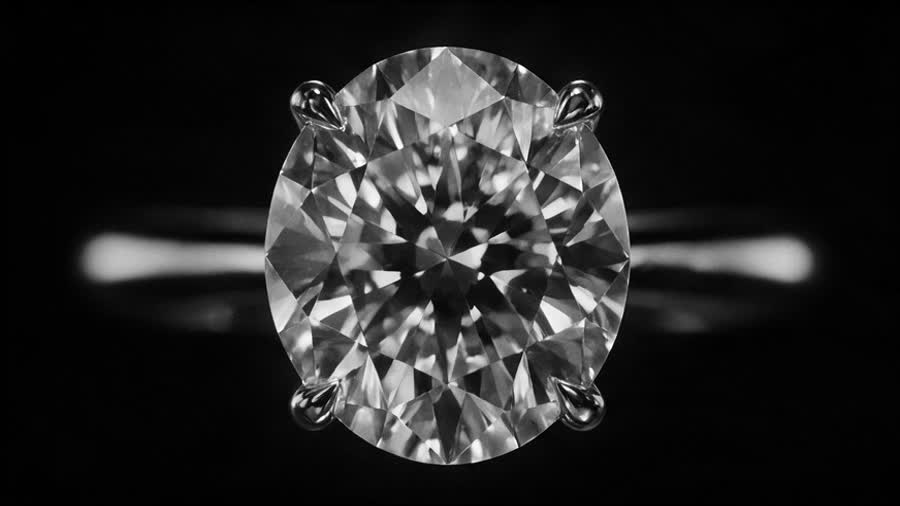
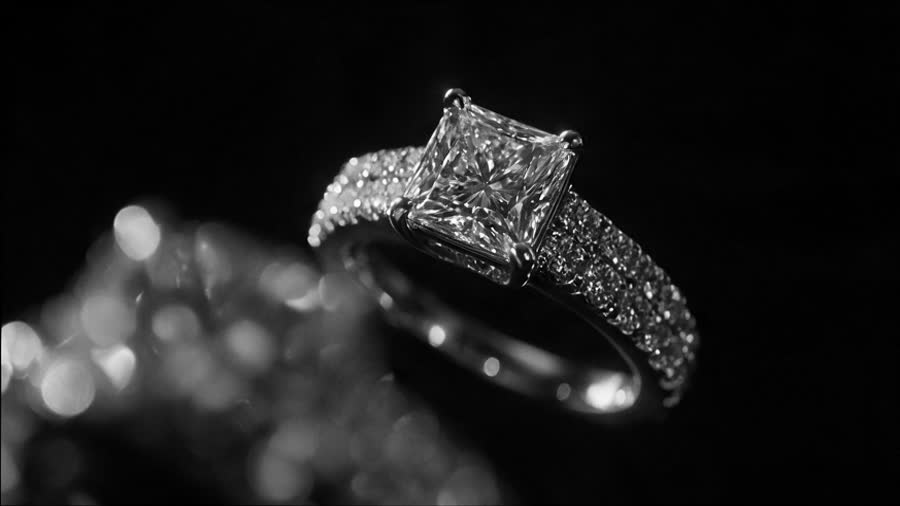
Almost everyone can sing the jingle. That recognition is the asset and it’s also the trap: known, trusted, and read as safe. I want to shoot this so KAY feels bold, not safe: hard light, real movement, nothing softened into familiarity.
KAY is asking people to say something bold. The voiceover is make it obvious, to do too much, what are you waiting for. I want the films to carry that same energy, so they read as brand work that happens to have a price on it rather than promotional work that happens to look good.
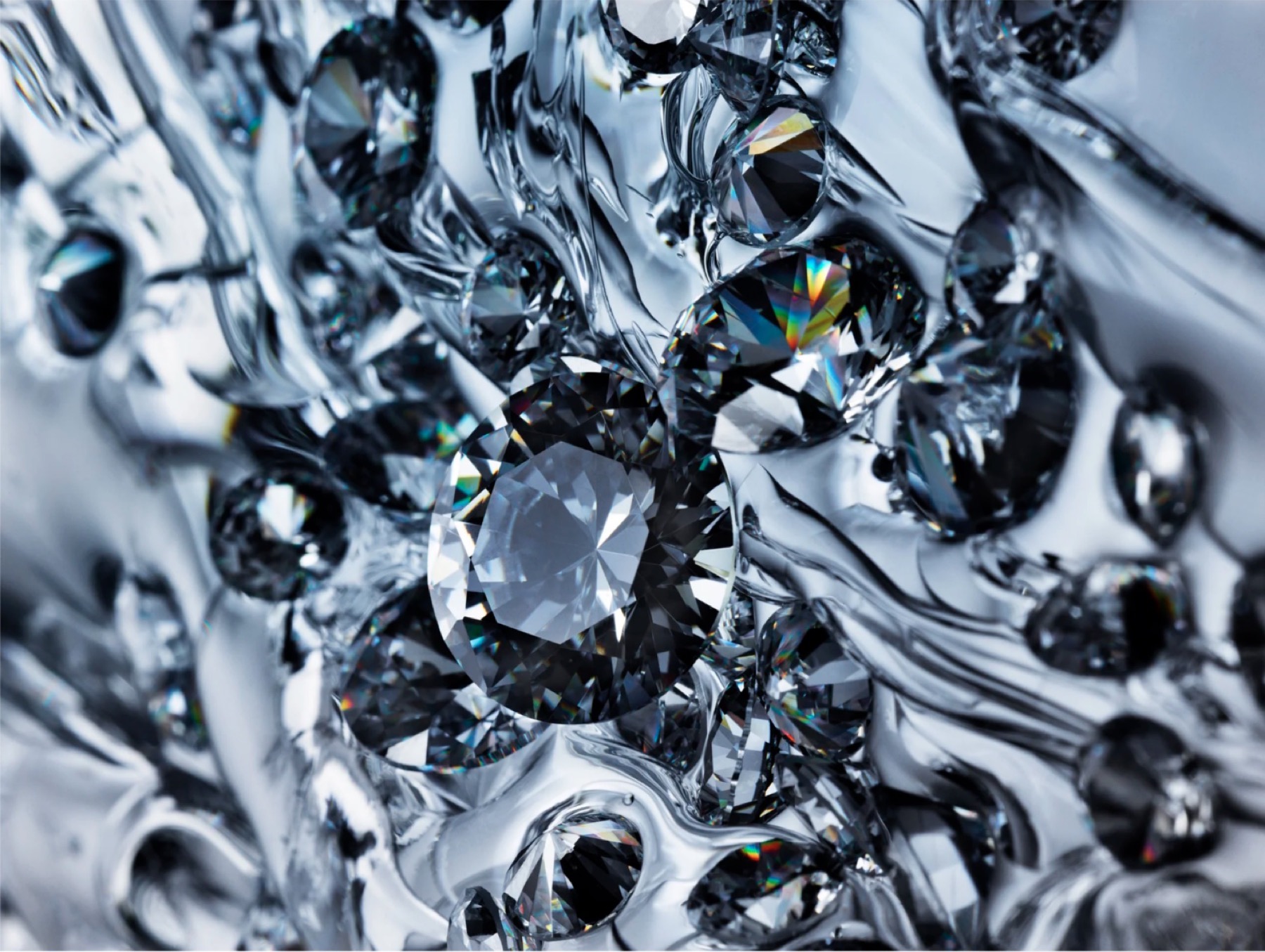
even when it looks effortless.
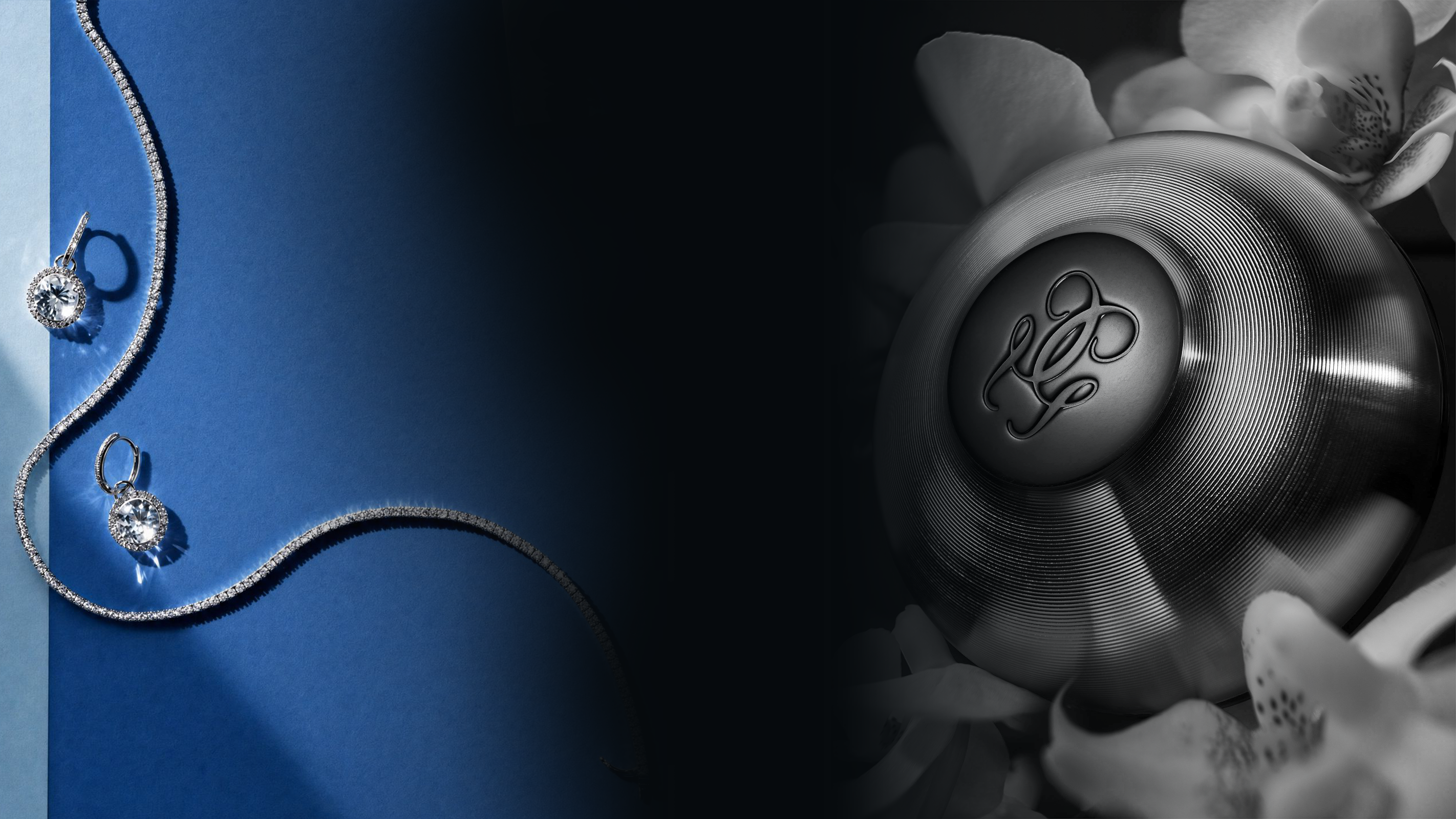
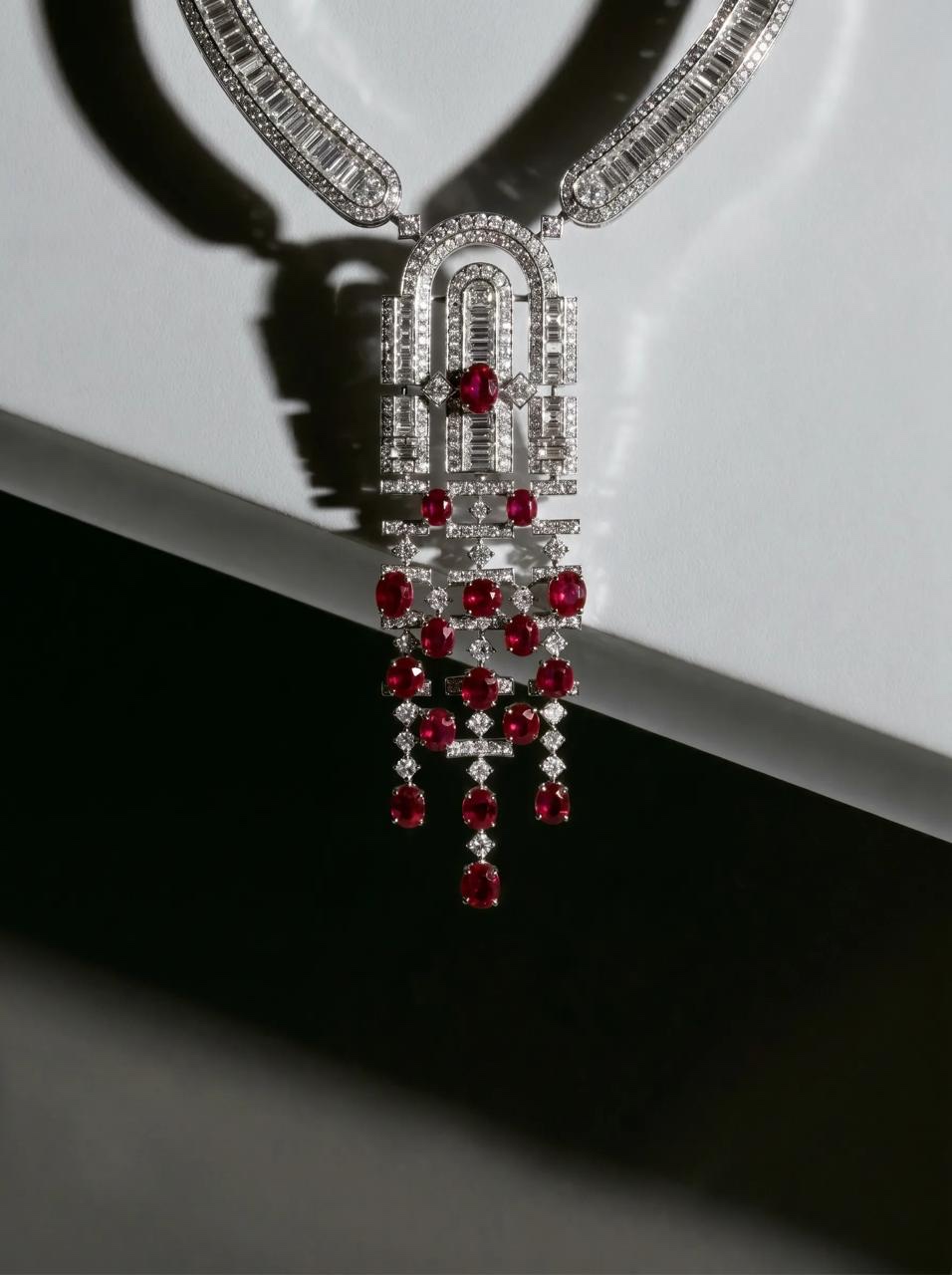
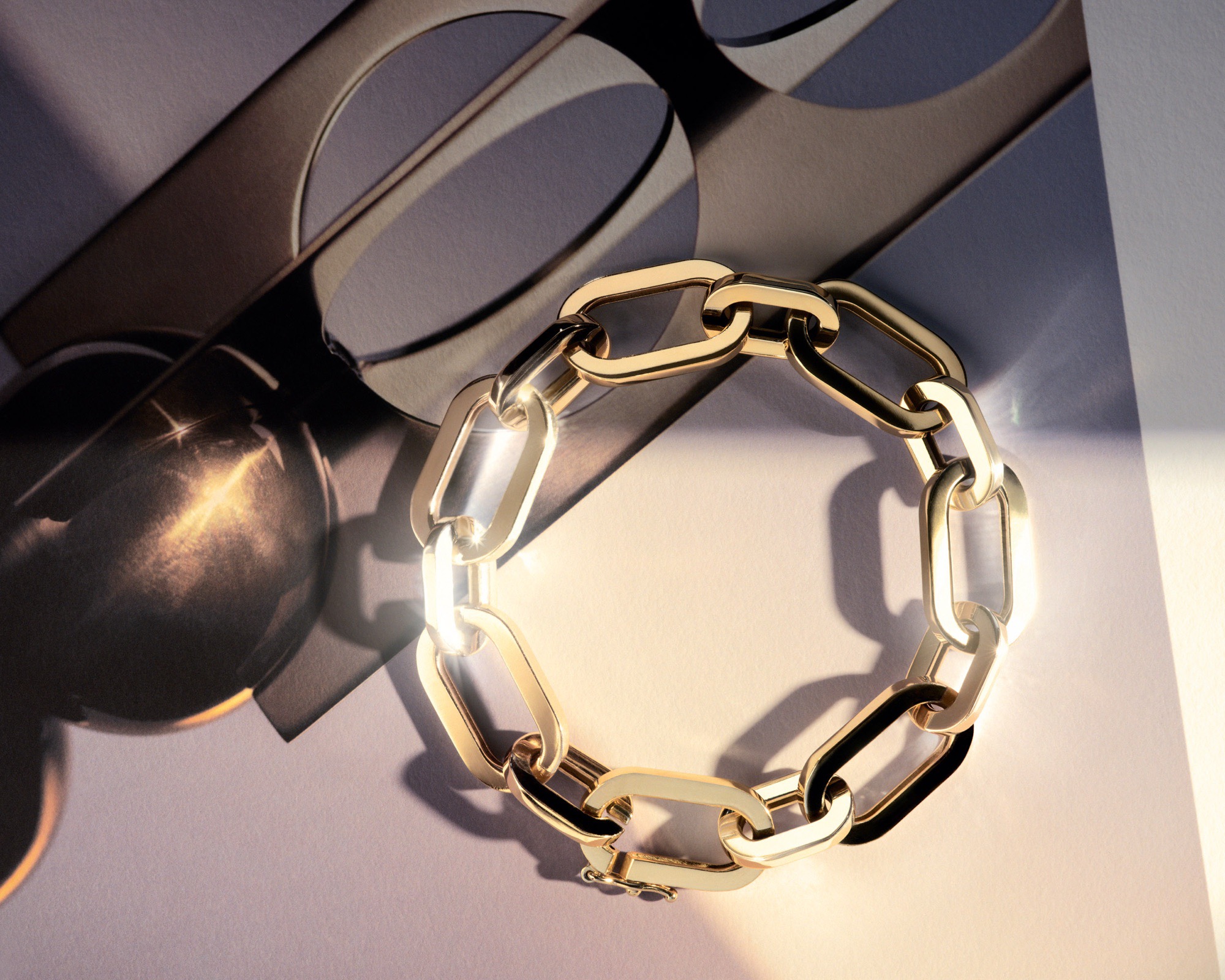
This is where a set designer becomes essential: building the material, the finish, calibrated so a surface gives back enough reflection to hold the piece without turning into a mirror that doubles it. Light has to travel across metal, stone and glass and still read as considered, so black and blue become worlds rather than backdrops.
Mirror and black plexi are positioned to give us reflection and surface abstraction that complements each piece, a subtle hand rather than a loud one. Small pieces of mirror and reflective material sit at the edges, catching just enough light to give the dark space its own quiet life, short of anything twinkly. PEOPLES’ surface is different again: a blue paper, grained fine enough to sit quietly behind the piece, curled into soft folds that catch the light beautifully. The black that KAY sits on and the blue that PEOPLES sits on both get sampled, tested and built with the same consideration as the jewelry itself, because on a shoot at this magnification they are the same conversation.
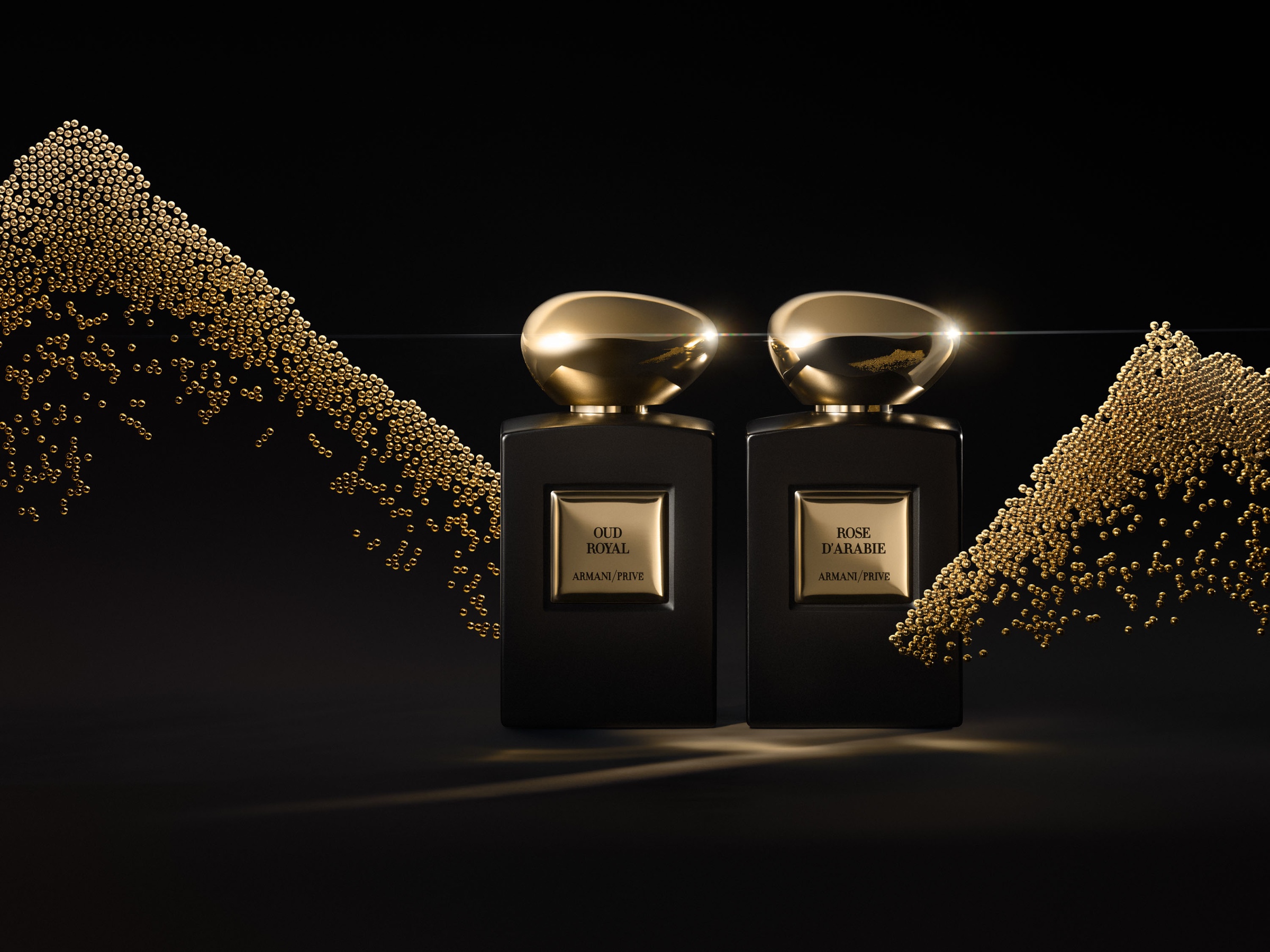
somewhere to land.
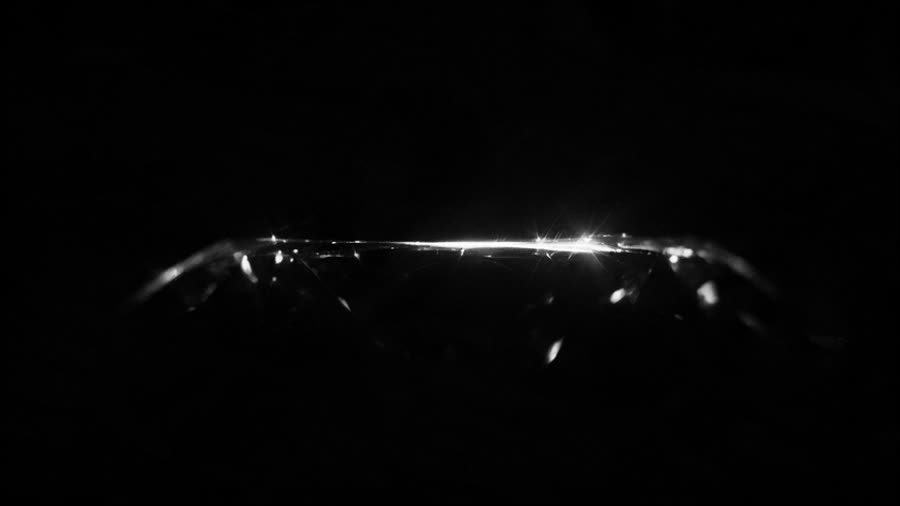
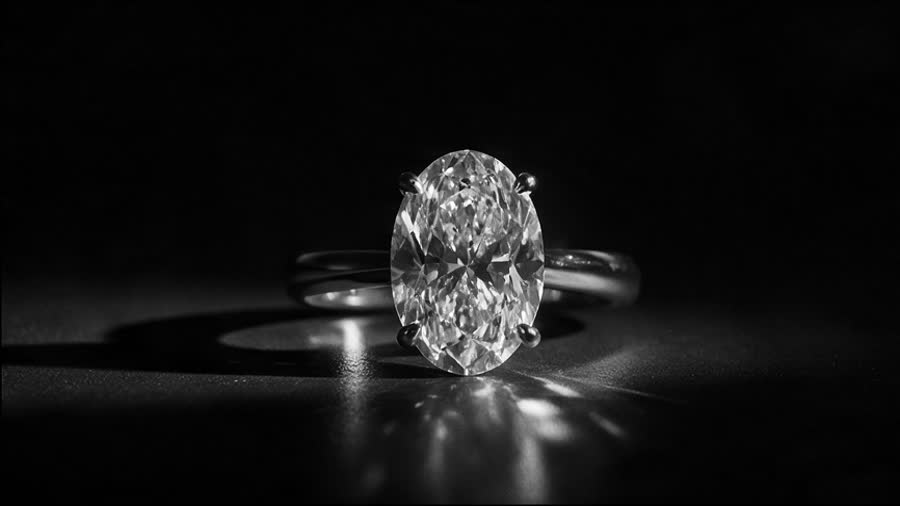
Pure, unbroken black: the sleekness is the point, and it’s the world KAY owns. The camera does the work there, slow and deliberate motion control moves, held long enough to read as intentional rather than restless, so the dark space feels considered rather than incomplete.
Light here is sculptural and precise. Small sources, sharp specular hits, deep falloff.
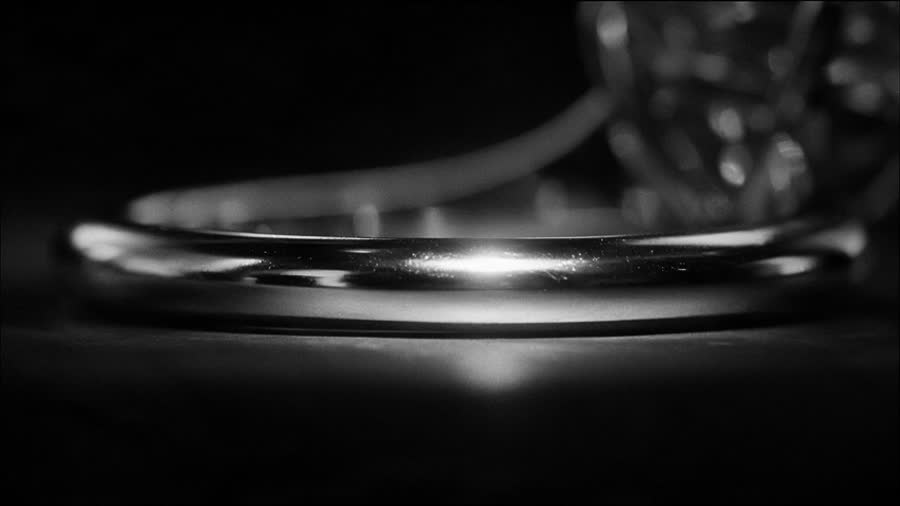
The same surface returns a reflection when light rakes across it, giving the piece a floor to sit on, and reads pure black off axis. I’d rather test two or three and show you the difference than describe it. We’ll build with slightly more surface information than the final frame needs, and bring the contrast up afterward.
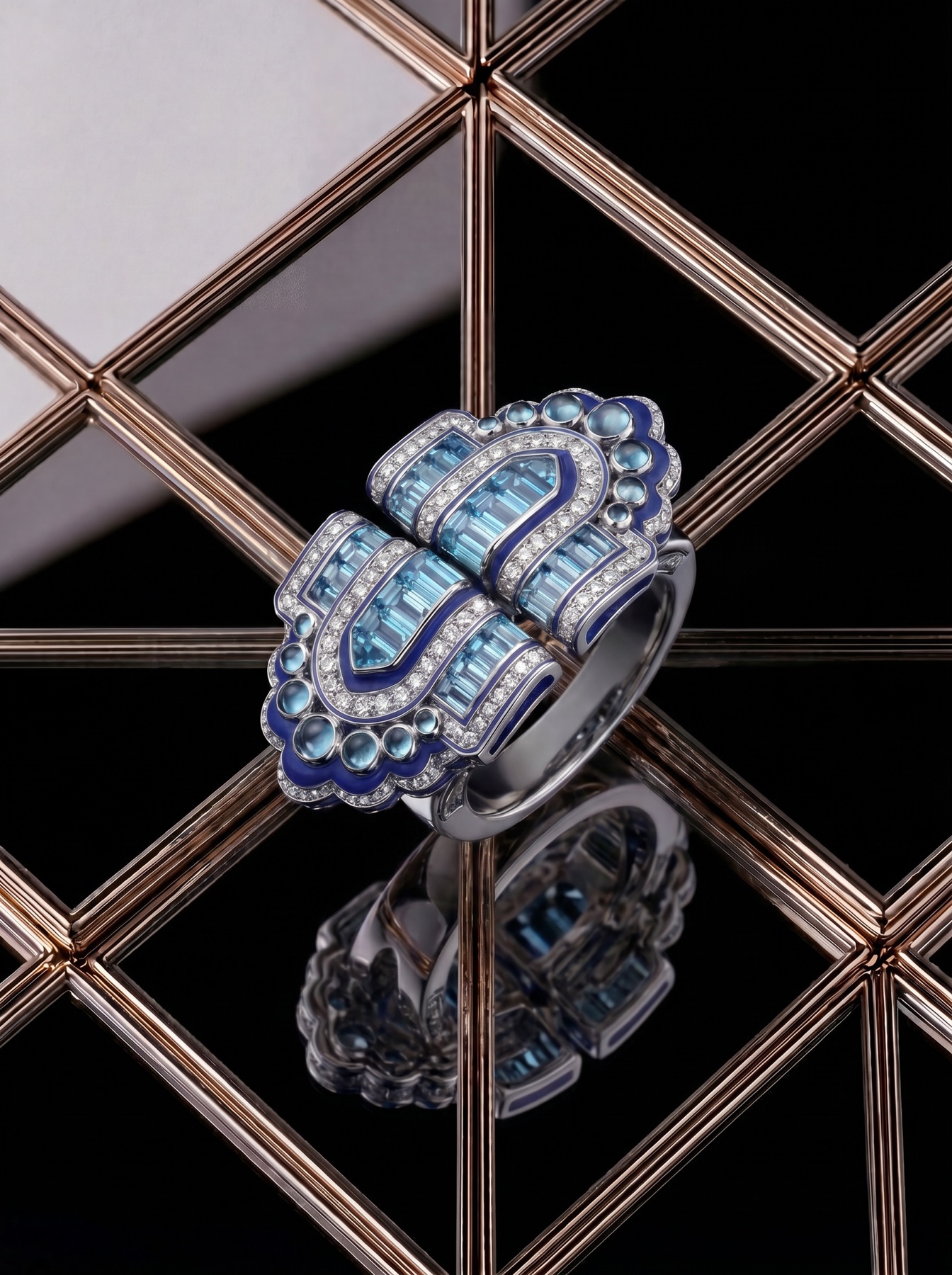
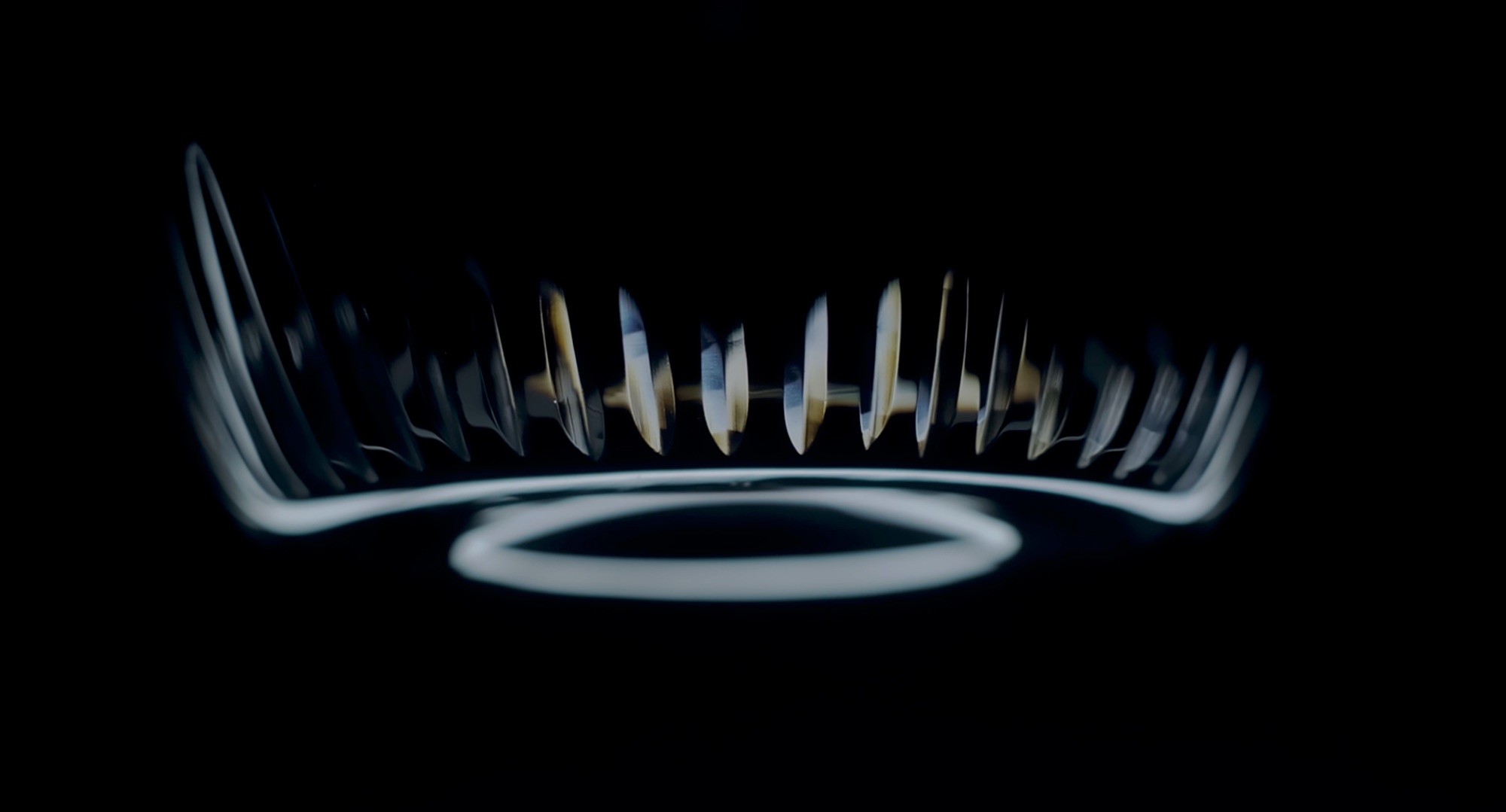
KAY
Not a reinvention.
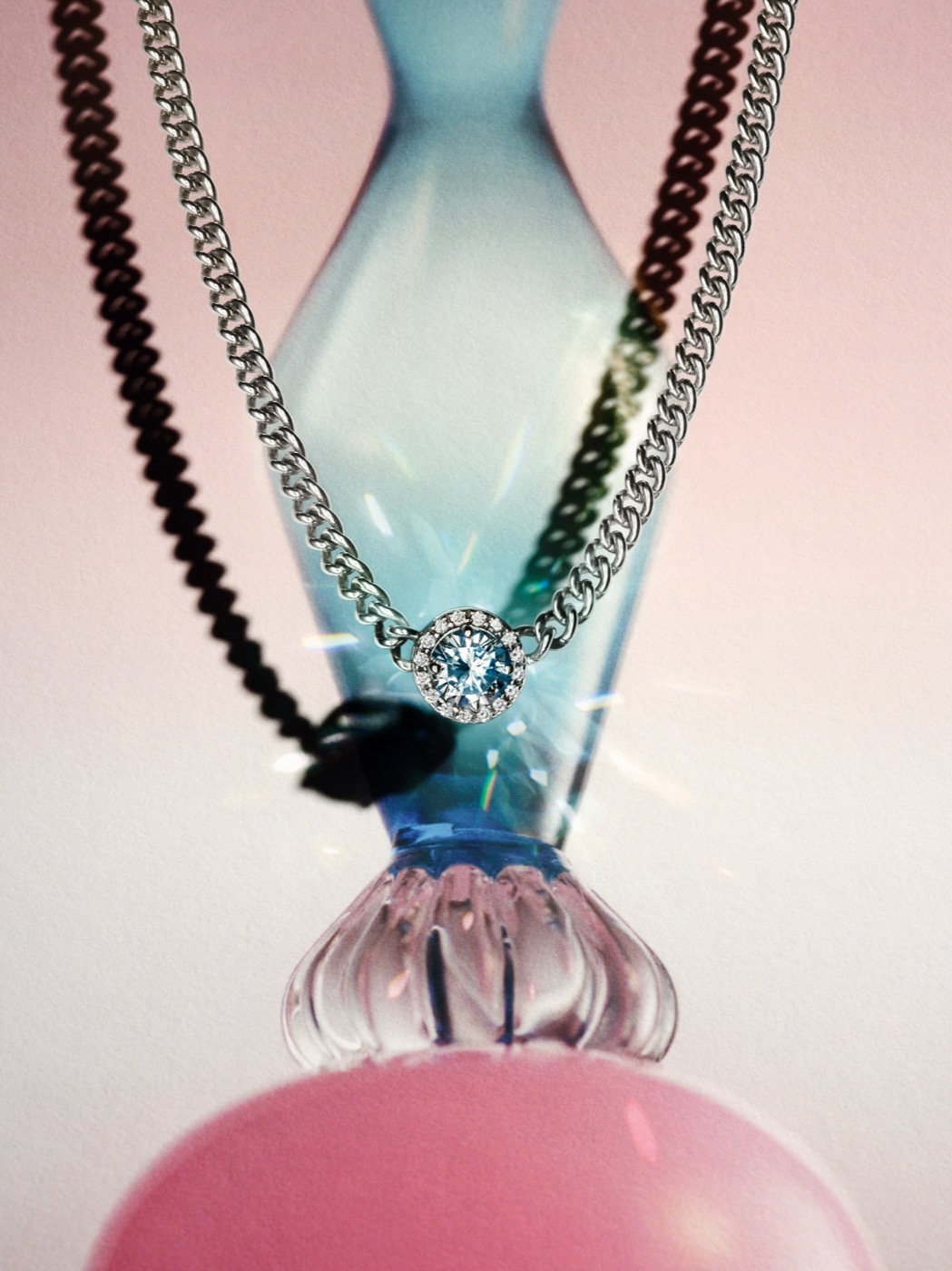
PEOPLES already has a visual language, blue, established. What I want to bring is new life to it: more visible, more felt, more itself. I’d shoot the blue as something with real material in it, grain and texture that hold light, so shadows have somewhere to fall across it. There’s room for a little experimentation in how we build that, testing a few textures before we lock one in.
Shadow does structural work here. It points: your note about shadows falling toward the center of frame, where the content and logo live, is one I want to build the whole rig around, keying the light so the cast shadow travels into the type zone as the move resolves.
a shadow that lands as type.
Supers work when the shoot gives them somewhere to live. Space held open on the axis the type will occupy, and light and shadow that continue out of the product into that space, so the type belongs to the frame it arrives in.
The method is elegantly simple: a piece, or the shadow it casts, moves off the product into that open space, and at the point it would normally fade out, it resolves into the price or the line of copy instead. We rig for a clean, legible edge and lock a dedicated pass for that move, shot for real on each hero piece, so the reveal comes from an actual moving shadow, not something added afterward.
its own physics.
Every piece in this range wants its own move, so each one gets worked out on its own terms before anything is programmed. Engagement rings shot overhead and rotated so the shape of the stone reads, the upright profile built into the same move so both readings come out of one pass. The Unstoppable Love pendant moves, and that movement is the product. A bracelet wants a move along its length, not across it, light running it like a wave. Earrings get the same treatment, left to swing free so they catch light as they turn.
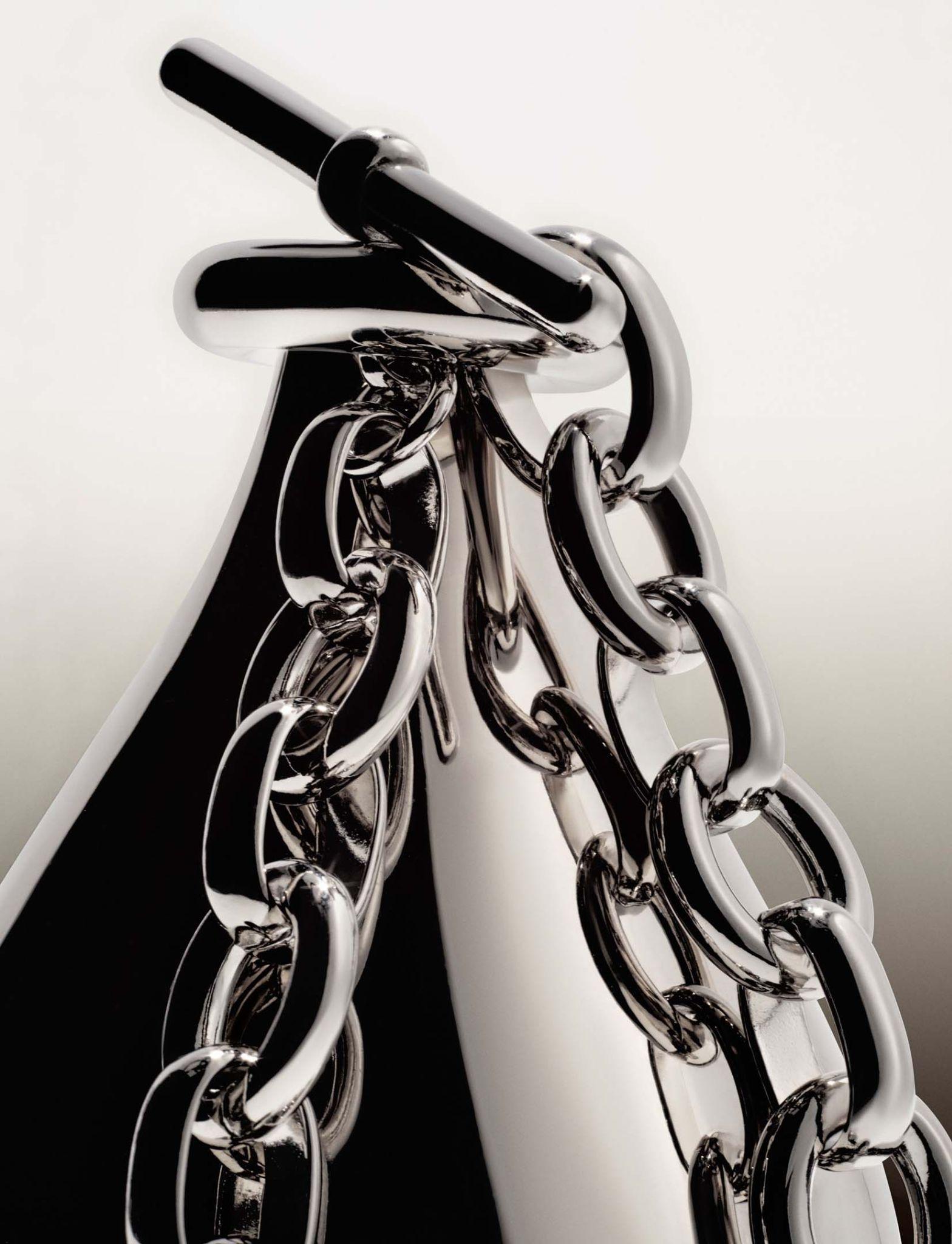
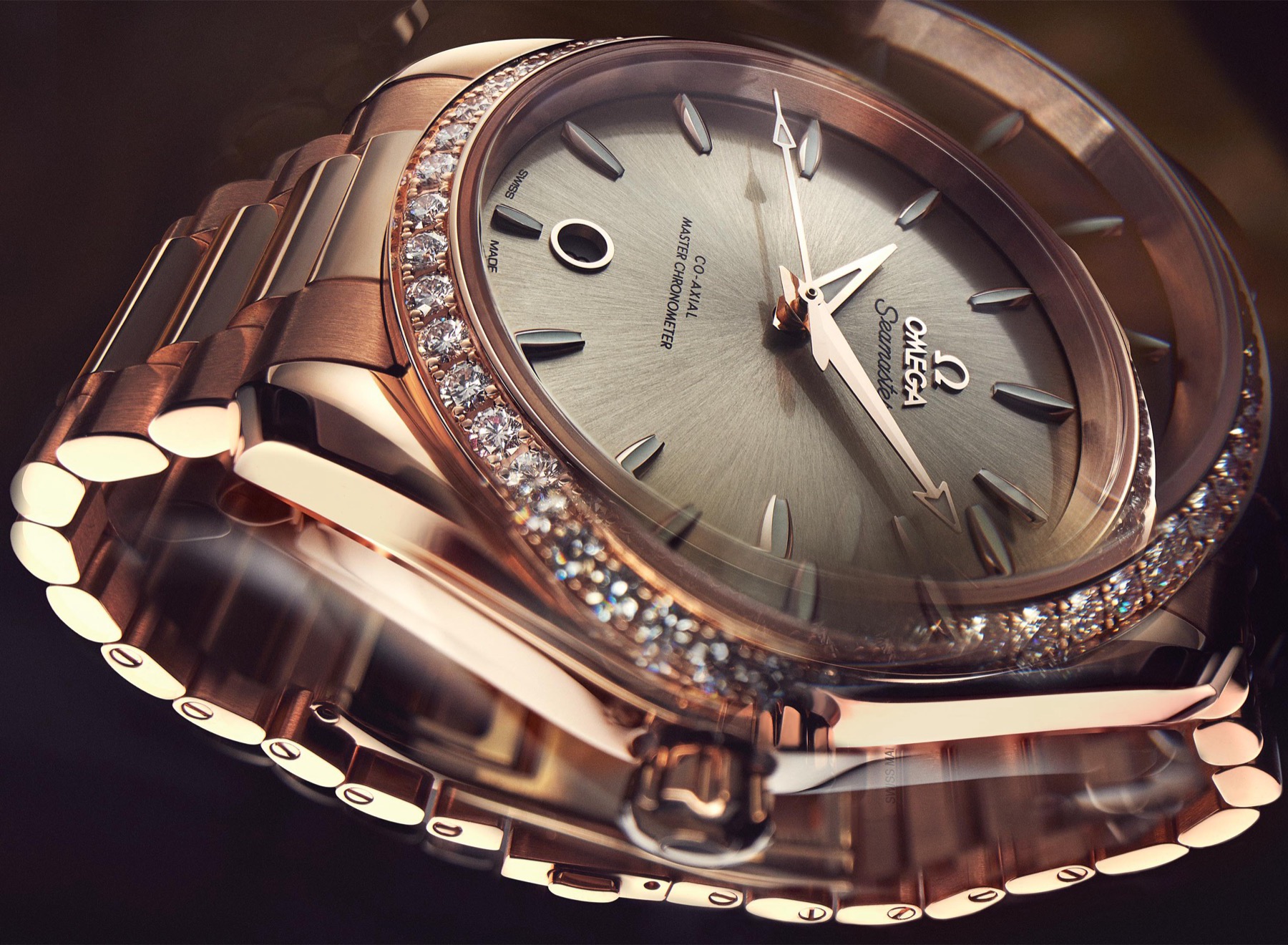
Chains and mirror finish gold are the hardest thing in the range to light. Polished gold is a mirror, so what you’re really lighting is everything around it. That makes it a set decision as much as a lighting one, which is why the surfaces get designed before the rig does.
Sixteen cuts.
One build.
Every film shoots once, wide, at 6K, and delivers in both 16x9 and 9x16 from that single capture. We compose with room top and bottom, so the vertical crop keeps its shadow and its open space intact.
Where it works on camera, we shoot the same moves and takes against both black and blue, so the surface underneath can swap without a second setup. Two of the five PEOPLES films come from that swap, built on KAY’s black instead of their own. Big Holiday uses the same set as Black Friday, dressed and lit for blue instead.
Bridal and Gifting, each shot once as Early Black Friday. The Black Friday cuts reuse that same footage. 11 Nov to 30 Nov.
Early Black Friday and Black Friday, shot off the KAY black setups. 6 Nov to 30 Nov.
Big Holiday, Live for Love and Boxing Day. Ultimate Gift reuses Live for Love, same product, same background. 1 Dec to 31 Dec.
is its own discipline.
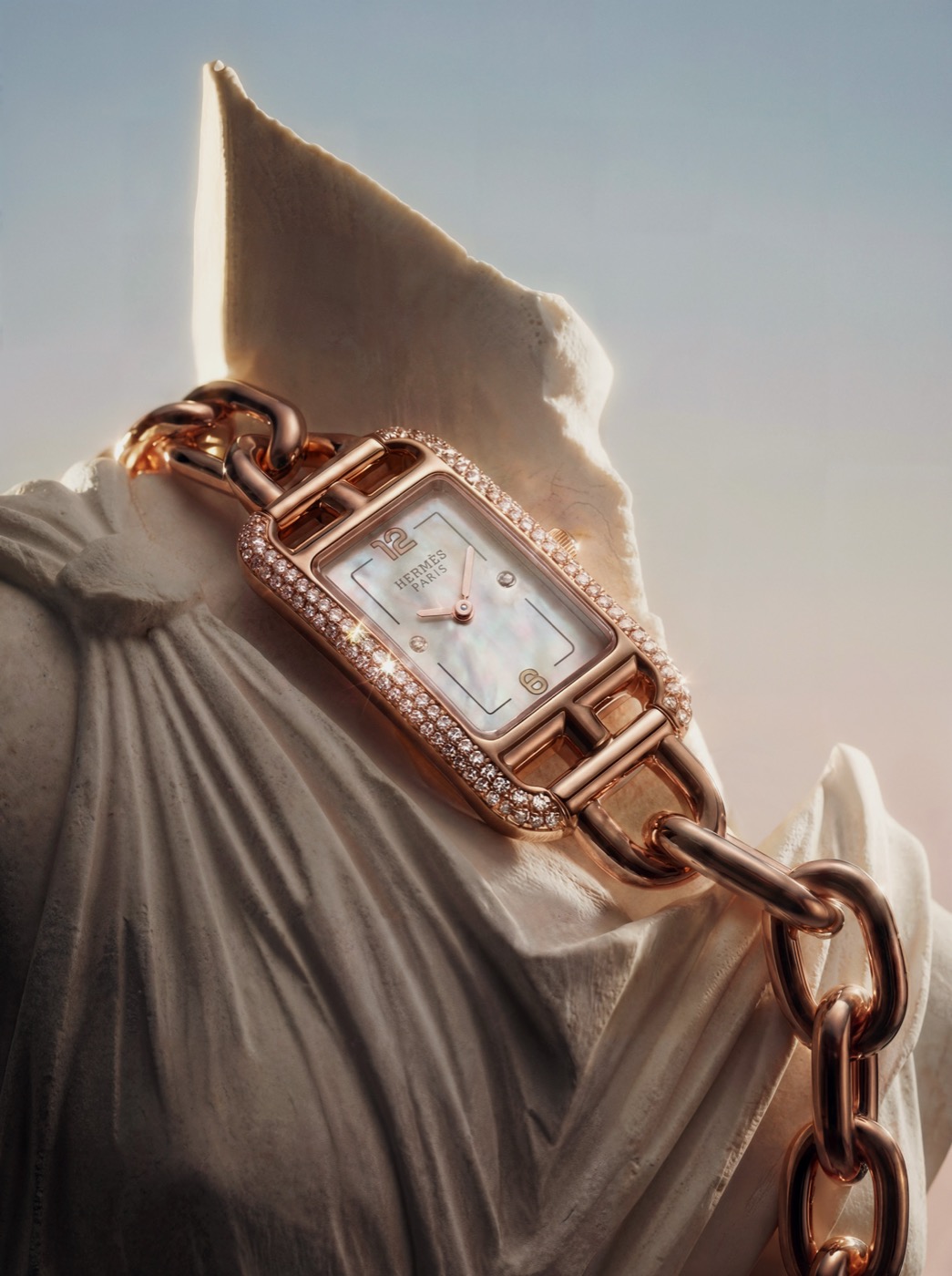
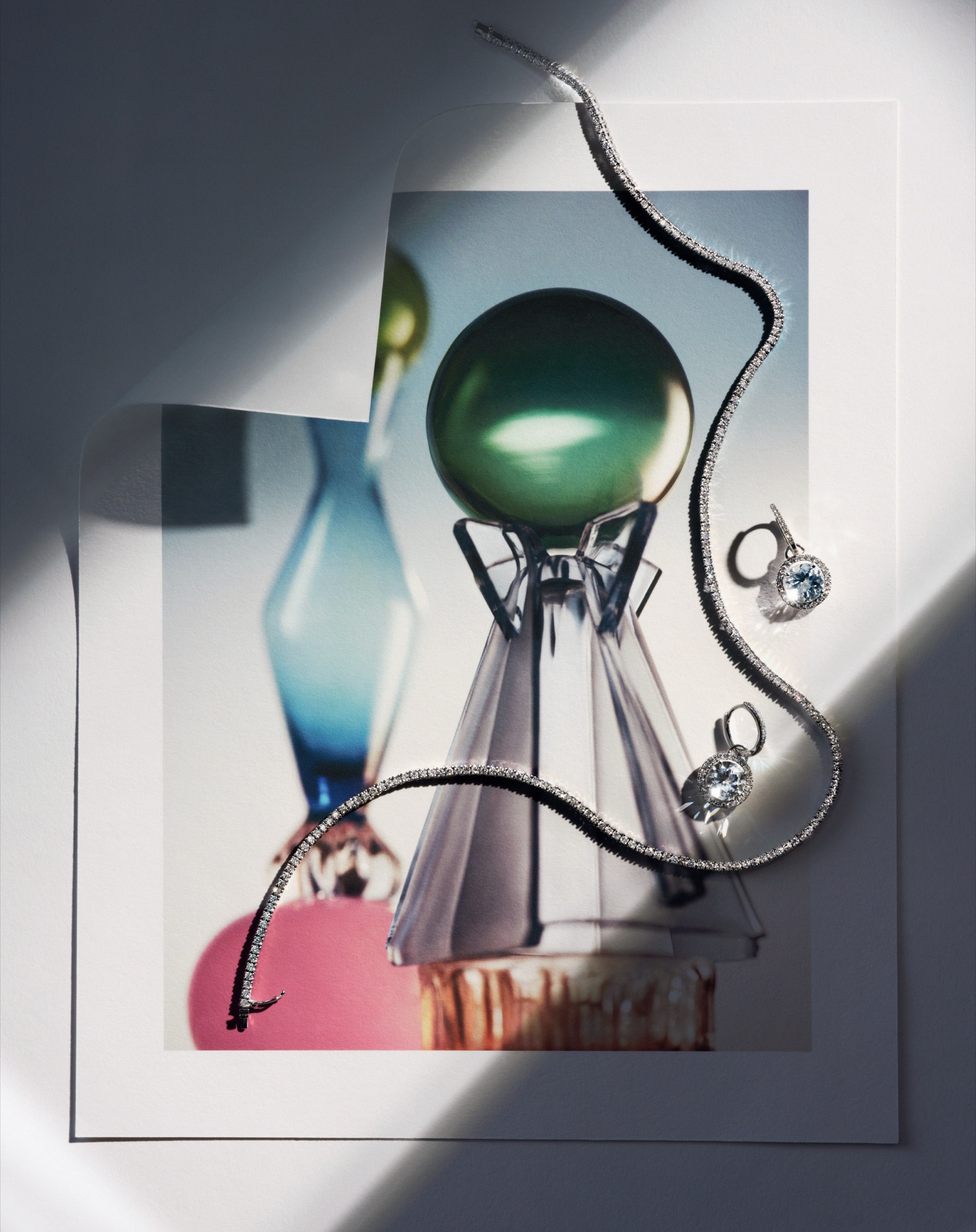
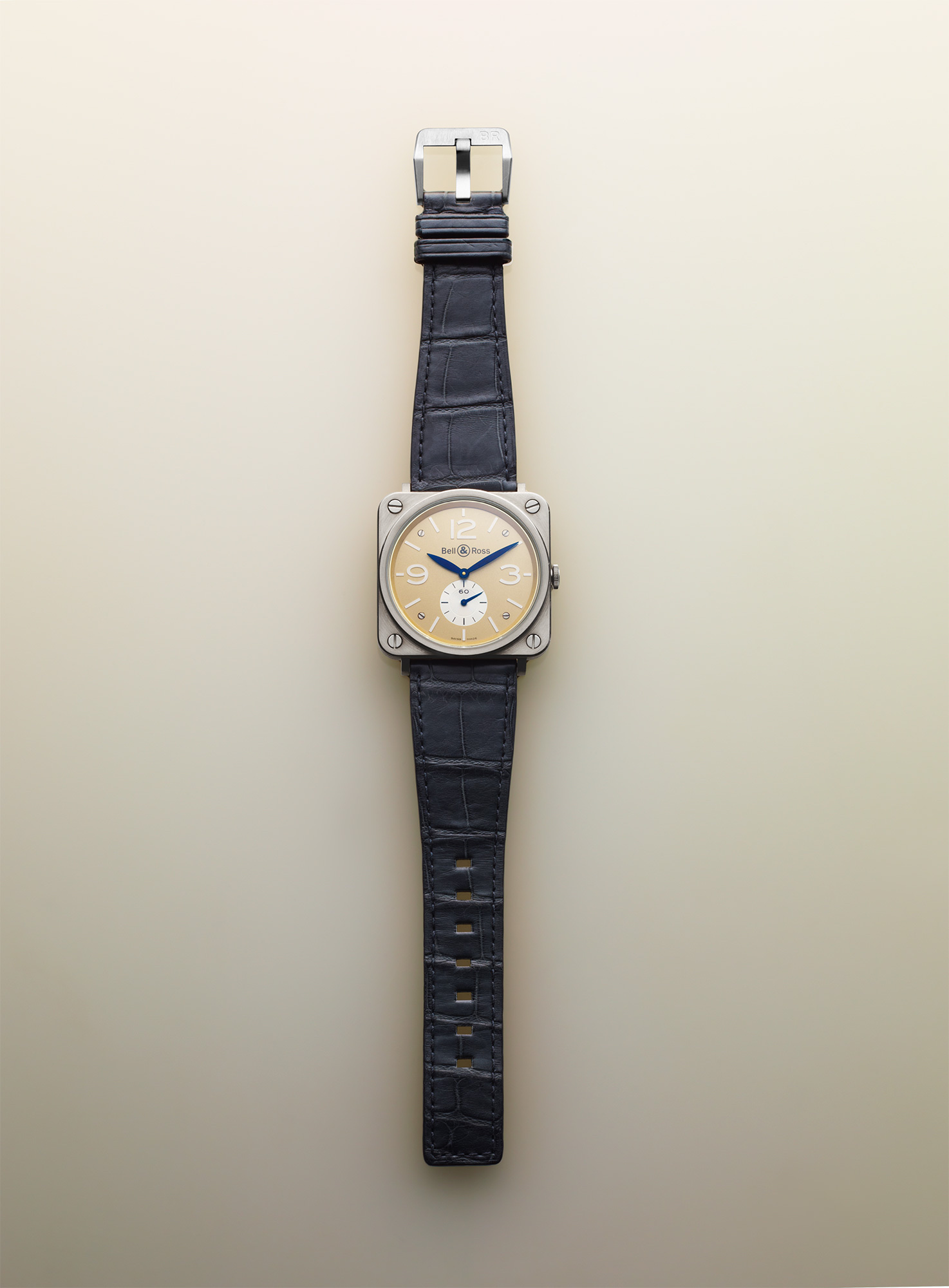
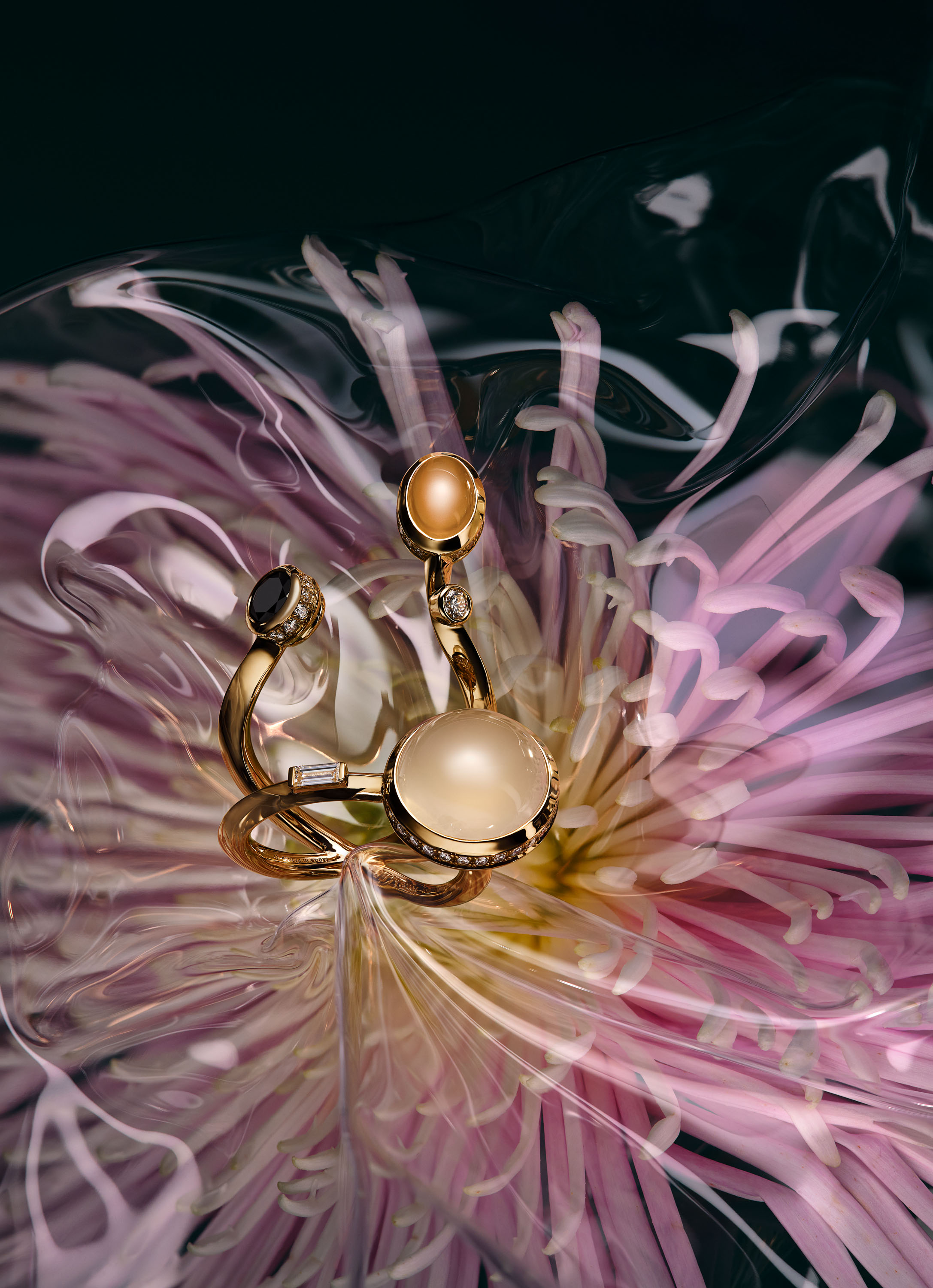
Watches taught me the two things this brief needs: motion control fine enough to hold a move measured in millimeters, and the patience to sit with polished metal and faceted glass while a light travels across them. That’s the discipline I’m bringing to these films.
the center.
Kazu, JoJo and Makoto are the team I’d build this with. Between them, they’ve already solved the exact demands of this brief: working at an intimate scale, controlling reflections, and giving us the freedom to focus on what matters most, crafting imagery that feels effortless, luxurious and beautifully considered.
The brief is already incredibly strong, and the technical complexity only makes the creative opportunity more compelling. I’m excited to collaborate, develop these ideas further, and create work that feels both modern and bold for the brands.
